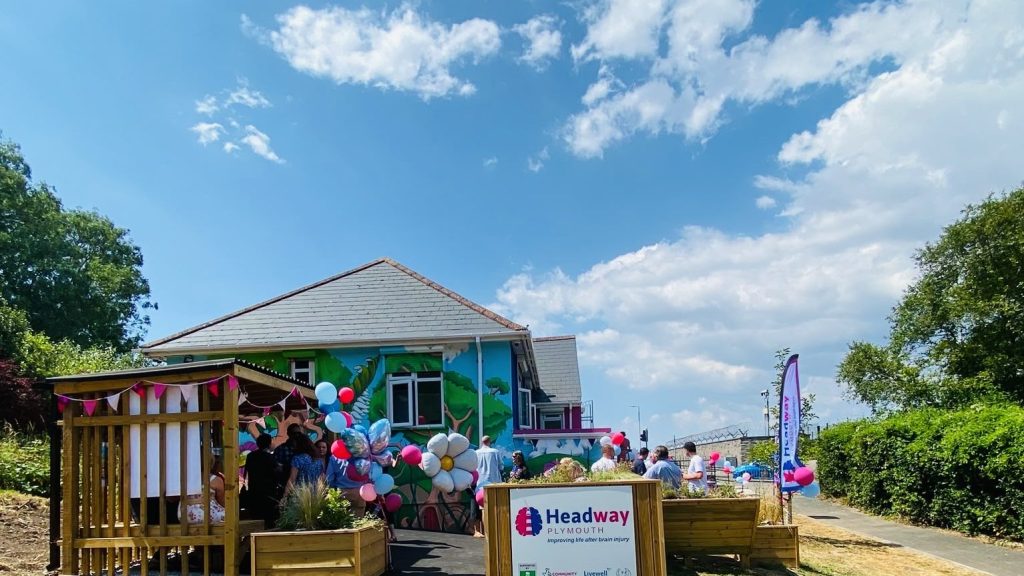
Hospital Liaison
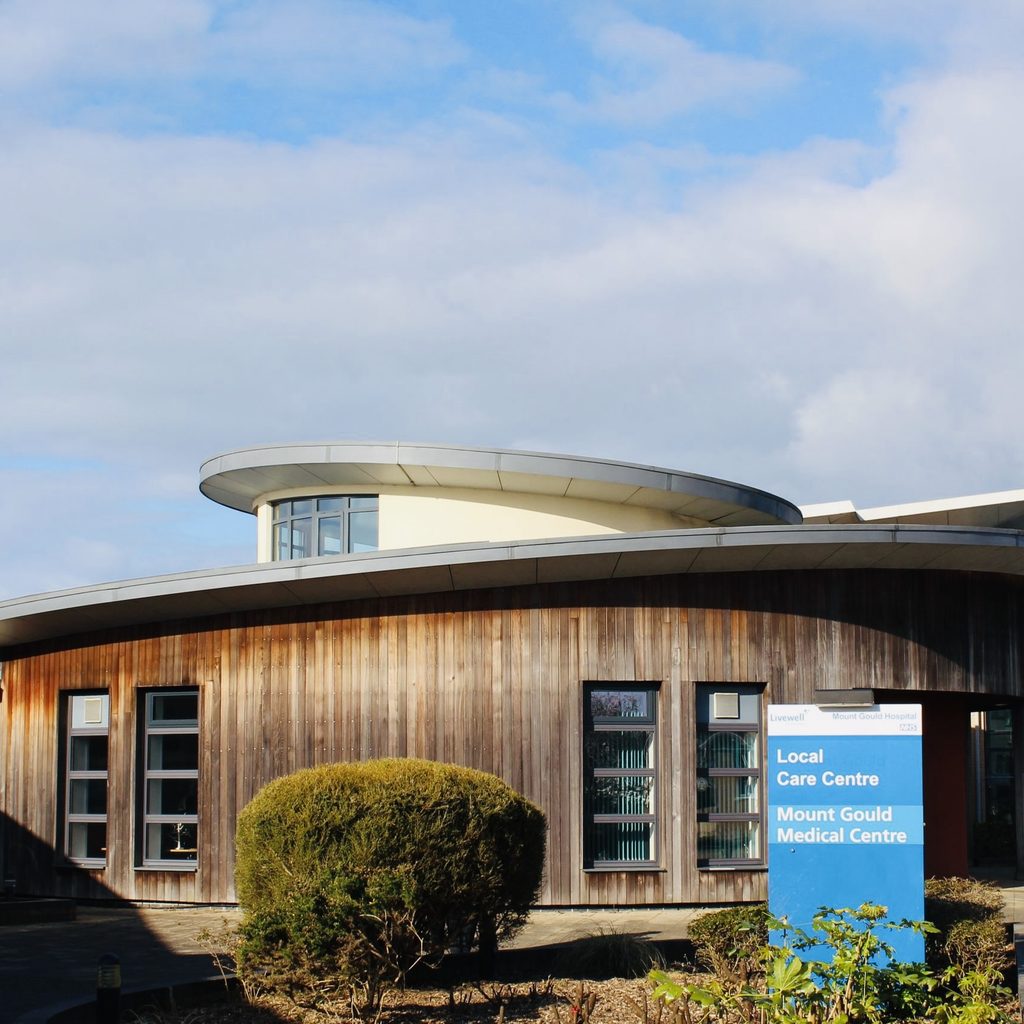
Support from the start of a new brain injury journey.
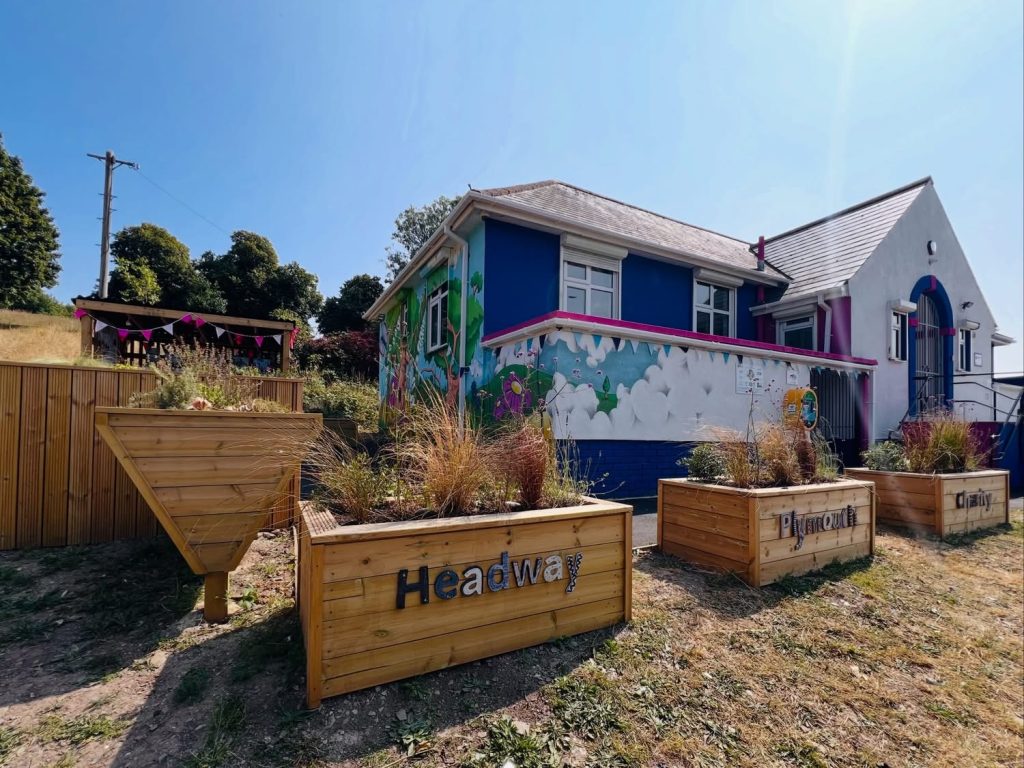
Our Centre Hub
Our welcome space in Devonport. A place to meet, connect, laugh and learn.
Outreach
Working with you in your own home and in accessing your community.

Education
ABI awareness for survivors, families and carers – so you can understand the effects of your ABI.
Facebook Posts

It was great to be at Plymouth Neurophysio to celebrate their first anniversary at their amazing facility at Queen Anne’s Battery, Plymouth.
Where has that year gone!?
Obviously, our Jo jumped at the chance to get in on the action with the cutting edge equipment on show at the event!

We’re very conscious that the weather is looking awful in the coming hours and days.
In the circumstances of weather warnings we always caution our clients and collaborators not to travel to our centre unless absolutely necessary.
As such, our scheduled clay making activity tomorrow is being postponed to another date.
The centre will be open with limited staff. Please stay home, warm and dry and avoid travel to the centre unless absolutely necessary.
Feel free to contact the team by phone or email if you have any support needs across the day.
Phone: 01752 550569
Email: enquiries@headwayplymouth.org.uk
You can find Met Office advice for managing storms here:
weather.metoffice.gov.uk
A range of advice to help you deal with severe weather. Tips and advice on how to stay safe and healthy at home or outdoors.What's on at Headway Plymouth this week. - mailchi.mp/62e8568d2f14/next-week-at-headway-plymouth-6749871
- Our 2025 Annual Report is Out Now!
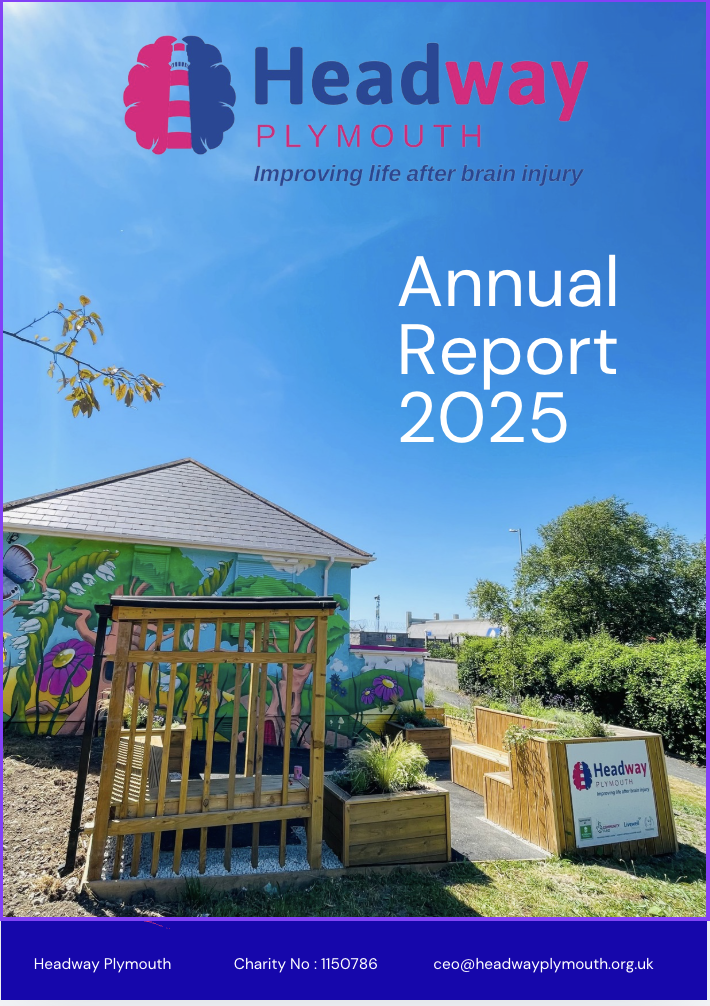 We’ve filed our year end 2025 accounts at Companies House and the Charity Commission. Below you can read and download the Annual Report that accompanies those accounts. The accounts themselves can be read and downloaded at the Charity Commission website here
 - Letters from Louise – September 2026
 Autumn is here and the nights are drawing in so quickly. The end of September means that our client, Louise, has been busy jotting down her experiences at Headway Plymouth across the last month. Thank you, as always, Louise for taking the time to keep this wonderful journal of your time with us Tuesday 1st … Continued
 - Headway Autumn 2026 Newsletter is out now!
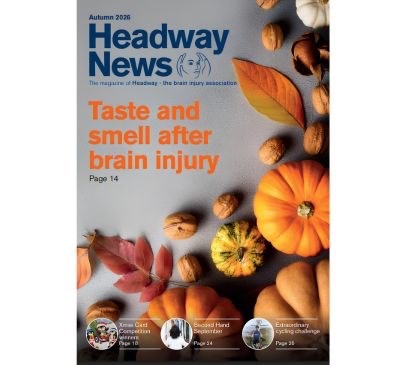 The Headway Autumn 2026 Newsletter is out now! This autumn, we celebrate the people, stories and achievements that are helping to raise awareness of brain injury, support recovery and strengthen communities across the UK. Click on the image below to read the newsletter or download a copy to enjoy offline!
What’s On?
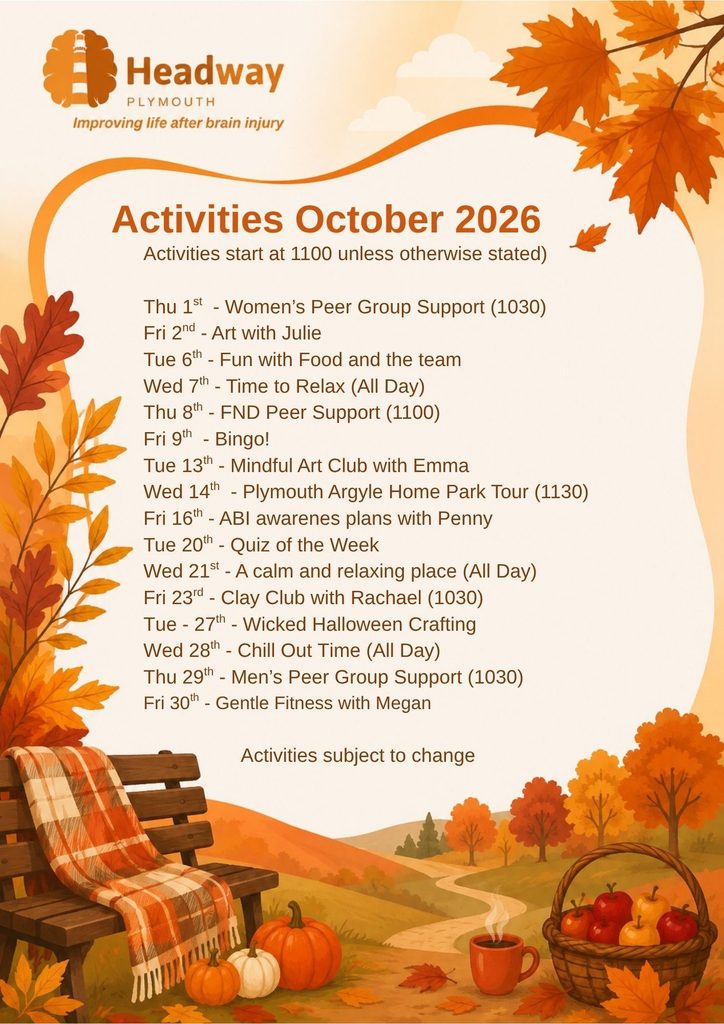
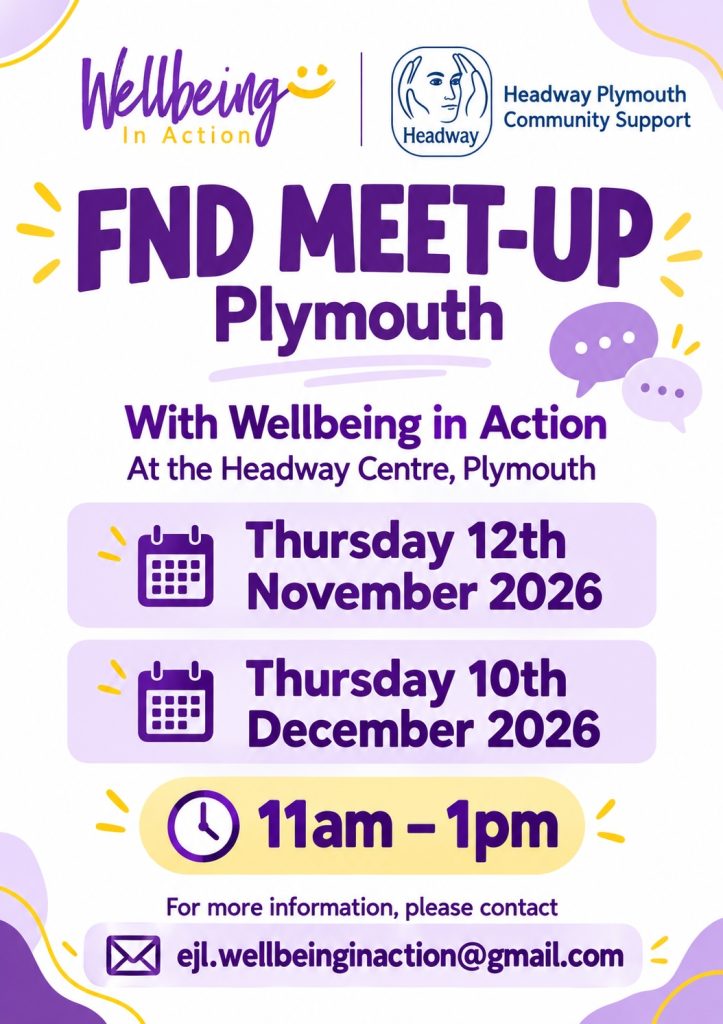
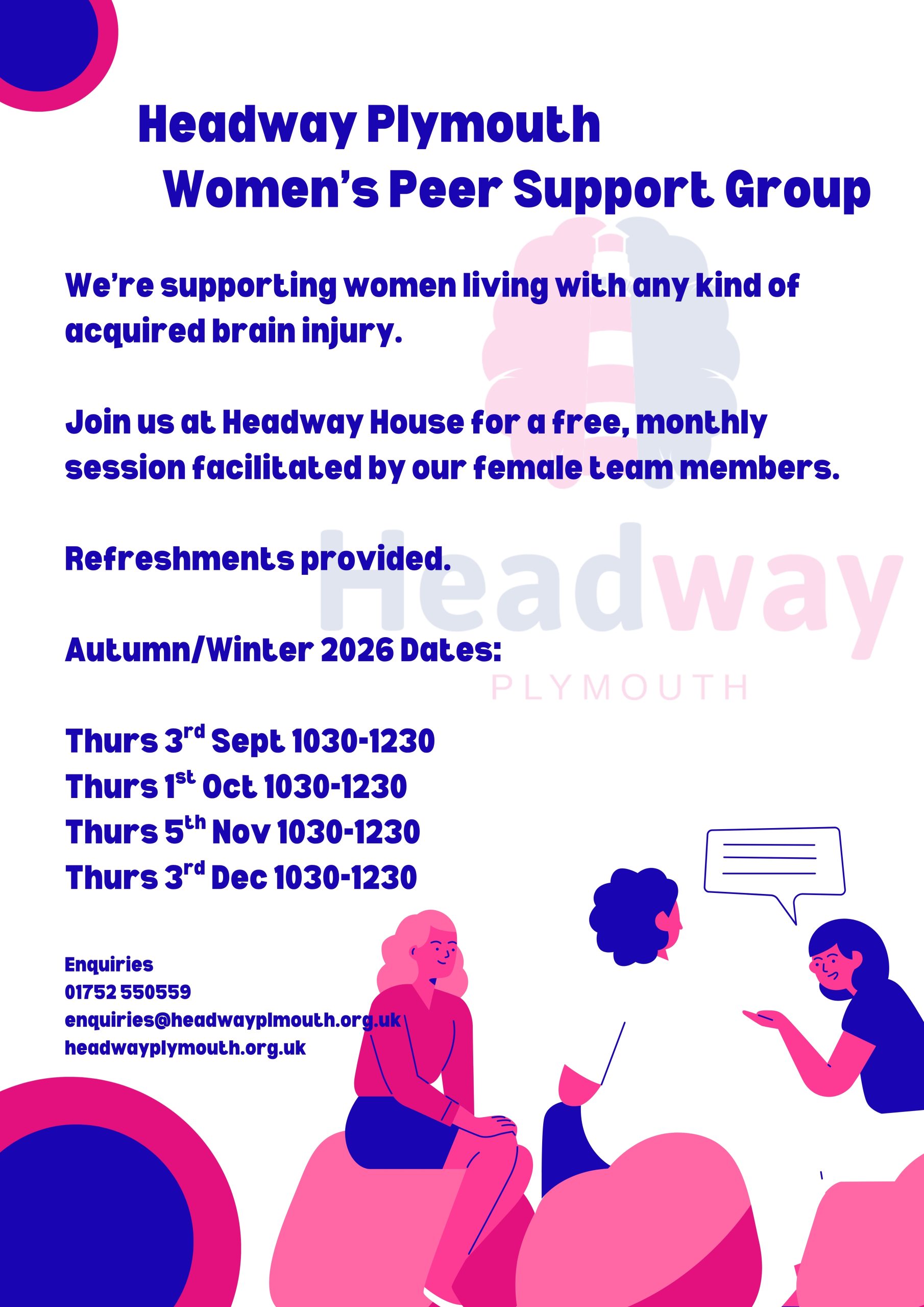
Devonport Centre Opening Hours
Monday
Tuesday
Wednesday
Thursday
Friday
Saturday
Sunday
By Appointment only
0900 – 1500
0900 – 1500
Peer Support Groups
0900 – 1500
Closed
Closed
Thursdays are dedicated to our peer support groups which typically take place from 1030 – 1230. Please check our Peer Support page for details of groups, dates and times.
